
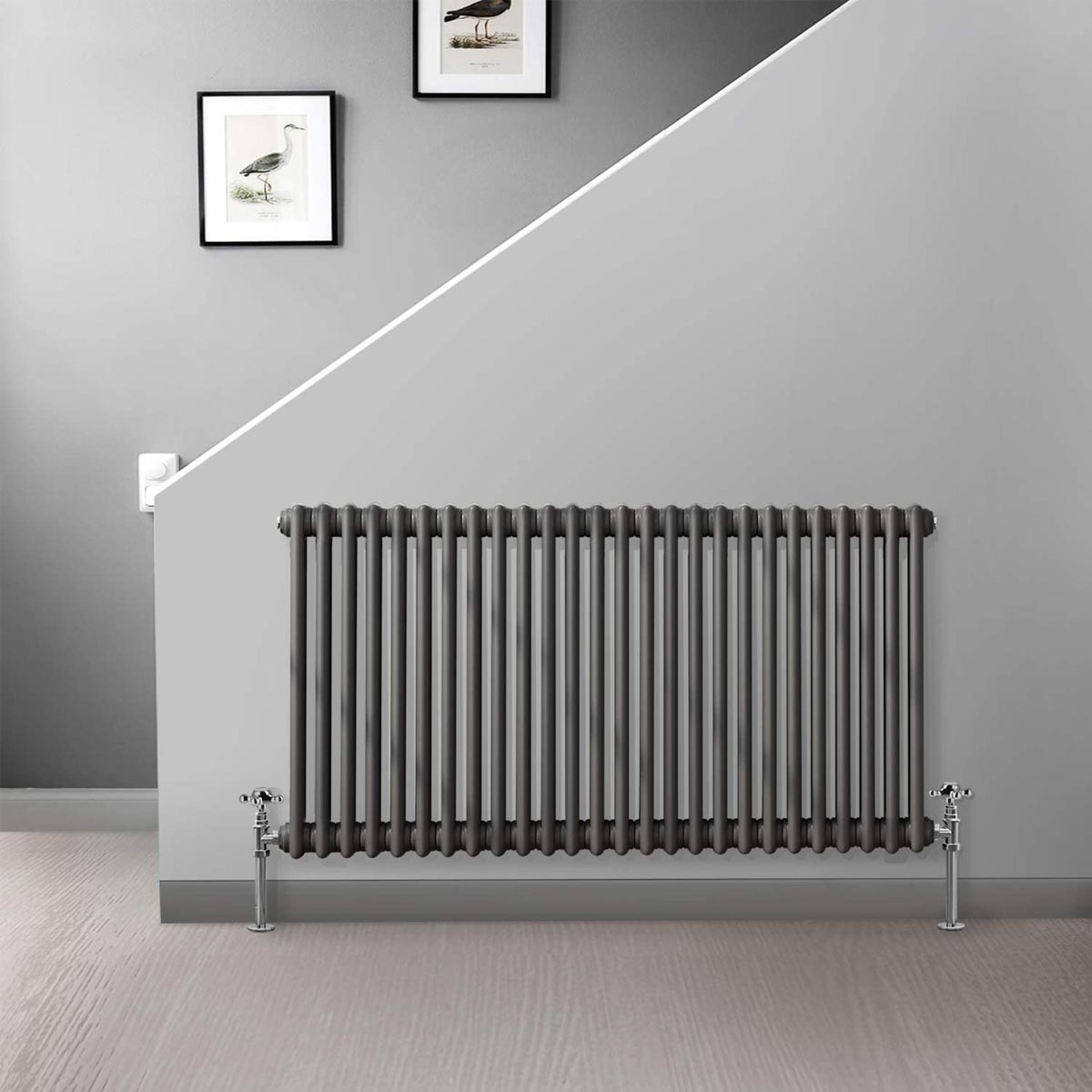
Tubular radiators combine functional hydronic heating with a strong architectural appearance. Their repeated steel columns create a clean rhythm that works in traditional interiors, contemporary apartments, hotels and commercial spaces. For importers and project suppliers, the main choices are orientation, column depth, connection layout, colour and required heat output.
Vertical tubular radiators
Vertical models are useful where wall width is limited. They fit beside doors, between windows or on narrow feature walls and can provide substantial output from a small footprint. Designers often use tall radiators as a visible interior element, so straightness, weld finish and coating consistency are especially important.
Horizontal tubular radiators
Horizontal models are familiar beneath windows and along low walls. They distribute heat across a wider area and can suit renovation projects where existing pipe positions need to be retained. Buyers should verify overall length, centre distance, projection from the wall and valve clearance before placing an order.
Technical points for specification
Heat output should be compared at a consistent temperature difference. The number of columns, overall height and length all affect performance. Connection options may include side connections, bottom opposite-end connections or bottom same-end connections, depending on the product design. Project specifications should also state the test pressure, maximum working pressure and compatible water quality.
OEM and finishing options
White remains the most common finish, but black, anthracite and project-specific colours are increasingly requested. Colour samples should be approved before mass production because gloss level and texture influence the final appearance. Packaging must protect exposed corners and long vertical units during container loading and final-mile handling.
SUNLIKE supports B2B tubular radiator programmes for distributors, wholesalers and project customers. Dimensions, connections, colour ranges, accessories, branding and carton information can be coordinated as part of an OEM specification. Early technical confirmation reduces installation disputes and helps the finished radiator range match the needs of the destination market.